Outdoor athletic facilities face conditions that indoor venues never have to think about. Rain, heat, humidity, freezing temperatures, and intense UV exposure are just part of the reality for fields and stadiums that operate year-round. Choosing scoreboards built to withstand those conditions is one of the most important decisions a facility manager or athletic director can make when planning an outdoor installation.
Why Durability Is the First Conversation to Have
It is easy to get drawn into discussions about display features, brightness levels, and sport-specific functions before the question of durability has been fully addressed. Those factors matter, but they only deliver value if the display holds up long enough to justify the investment.
An outdoor scoreboard that degrades quickly under weather exposure creates recurring maintenance costs, unexpected downtime, and the frustration of dealing with equipment that cannot keep pace with your facility's schedule. Starting the selection process with durability as the primary lens keeps the conversation grounded in what actually matters for long-term performance.
What Year-Round Outdoor Exposure Actually Means
Facilities in different regions face different environmental challenges, but most outdoor venues deal with some combination of moisture, temperature extremes, and sun exposure across the course of a full year. A scoreboard installed in a coastal climate contends with salt air and high humidity. One in a northern state faces freeze-thaw cycles that stress enclosures and electrical components. Southern facilities deal with prolonged heat and direct sun that accelerates material degradation.
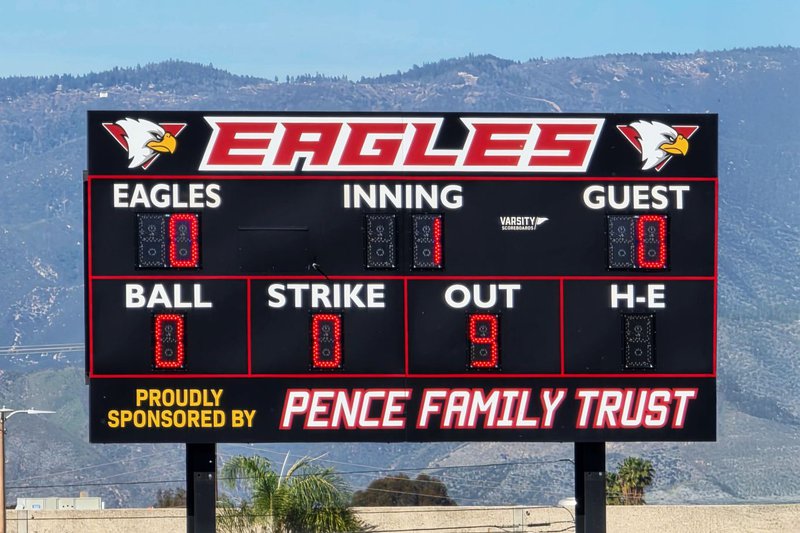
No matter where your facility is located, the scoreboard you choose needs to be rated for the specific conditions it will face. Generic durability claims are not enough. Look for products with documented performance ratings that correspond to your actual environment.
Enclosure Quality Protects What Is Inside Scoreboards
The enclosure surrounding a scoreboard's internal components is the first line of defense against the elements. A well-constructed enclosure keeps moisture, dust, and insects out while allowing adequate ventilation to prevent heat buildup during high-temperature operation.
Aluminum enclosures are a common choice for outdoor scoreboards because of their resistance to rust and their ability to handle temperature fluctuations without warping. Sealed enclosures with gasketed access panels provide better protection than those with loose-fitting covers or exposed seams. Evaluating enclosure construction as part of your selection process is a practical step that pays dividends over the life of the display.
Ingress Protection Ratings Tell You What to Expect
Ingress protection ratings, commonly referred to as IP ratings, provide a standardized way to assess how well a display resists the entry of solids and liquids. The rating system uses two digits, with the first indicating protection against solid particles like dust and the second indicating protection against water.
For outdoor scoreboards that will be exposed to rain and humidity, a higher water ingress rating is essential. Facilities in particularly wet climates or those that experience heavy seasonal rainfall should prioritize displays with ratings designed for sustained water exposure. Asking manufacturers for specific IP rating information during the selection process gives you an objective basis for comparison rather than relying on general marketing language.
UV Resistance Affects Long-Term Appearance and Function of Scoreboards
Prolonged sun exposure does more than fade colors. It degrades plastic components, weakens adhesives, and accelerates the breakdown of materials that were not designed for continuous UV exposure. A scoreboard that looks sharp in its first season but shows significant weathering within a few years is not delivering the value it should.
UV-resistant materials and coatings extend the visual and functional lifespan of outdoor displays considerably. This is especially relevant for facilities in sun-intensive climates where equipment faces direct exposure for a large portion of the year. Knowing how to select a scoreboard that accounts for your specific climate conditions helps you avoid making a purchase that looks great on paper but underperforms in the field.
Temperature Range and Component Reliability
Electronic components have operating temperature ranges, and outdoor scoreboards need to function reliably across the full span of temperatures your facility experiences. A display that operates fine in mild weather but becomes unreliable during summer heat waves or winter cold snaps creates problems at exactly the moments when reliable performance matters most.
Playoff games, championship events, and tournament days rarely get postponed for mild weather. Your scoreboard needs to be ready to perform in whatever conditions show up. Reviewing the specified operating temperature range for any system you are considering is a straightforward way to confirm that it is built for your climate.
Wind Load and Structural Considerations
Outdoor scoreboards are exposed to wind forces that indoor displays never experience. A display mounted on a post or structure in an open field needs to be engineered for the wind loads typical of your region. Facilities in areas prone to high winds, tropical storms, or severe weather events need to pay particular attention to structural ratings and mounting specifications.
Working with an experienced installation team helps ensure that the support structure is appropriate for both the display and the local wind environment. A scoreboard that is well-built but poorly mounted is still a liability, so structural considerations deserve as much attention as the display hardware itself.
Maintenance Access Makes a Practical Difference
Even the most durable outdoor scoreboard will require occasional maintenance over its lifespan. Access panels, component layout, and the availability of replacement parts all affect how easy and cost-effective the maintenance is when the time comes.
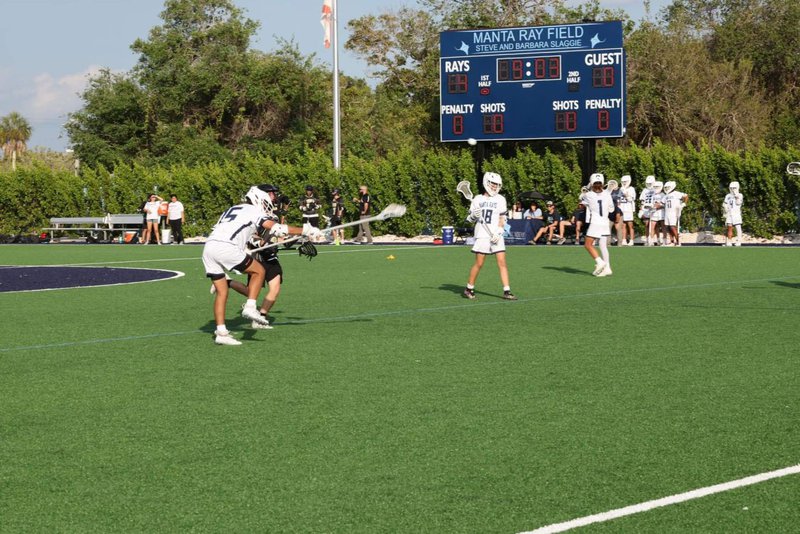
Displays designed with maintenance access in mind reduce the time and cost of servicing. When components are logically arranged and accessible without specialized equipment, routine maintenance becomes a manageable task rather than a disruptive event. Factoring in long-term serviceability as part of your initial evaluation helps you choose a system that remains cost-effective throughout its operational life.
Invest in Scoreboards Built for the Long Haul
Outdoor facilities deserve display systems that match their operating environment and hold up through seasons of continuous use. The right scoreboard delivers reliable performance year after year without demanding constant attention or generating unexpected repair costs.
At Varsity Scoreboards, we carry scoreboards for a variety of sports built to handle the demands of year-round outdoor use. For facilities looking to go beyond traditional displays, our outdoor video displays offer enhanced visibility and engagement for larger venues and bigger audiences. And if budget is a consideration, our Varsity Sports Marketing program gives facilities a realistic path to funding the upgrade they need without carrying the full cost alone.
Contact us today to get a free quotation and let us help you find an outdoor scoreboard built to last for your facility.