When planning a new or upgraded display, many facilities focus on size, brightness, and added features. Those elements matter, but scoreboard layout plays a critical role in how effective the system will be during real gameplay. The way information is arranged determines how quickly it can be read, how easily players can react, and how smoothly everything runs from start to finish.
A well-planned scoreboard layout ensures that every person in the venue, from those on the field to those in the highest seats, can instantly understand what is happening. That level of clarity directly impacts engagement, decision-making, and the overall experience.
Why Scoreboard Layout Directly Impacts Visibility
At its core, a scoreboard exists to communicate information quickly. If the scoreboard layout is cluttered, poorly spaced, or inconsistent, even the most advanced system can become difficult to read.
Clear organization allows viewers to process information without hesitation. When score, time, and key indicators are positioned logically, the brain does not need to search for answers. Everything is where it should be.
This is why the right scoreboard layout should always be a priority during the planning process. It is not simply a design choice. It directly affects how the scoreboard performs in real-world conditions.
Establishing a Clear Information Hierarchy
Every effective scoreboard layout starts with prioritization. Certain elements must stand out immediately, while others can remain secondary.
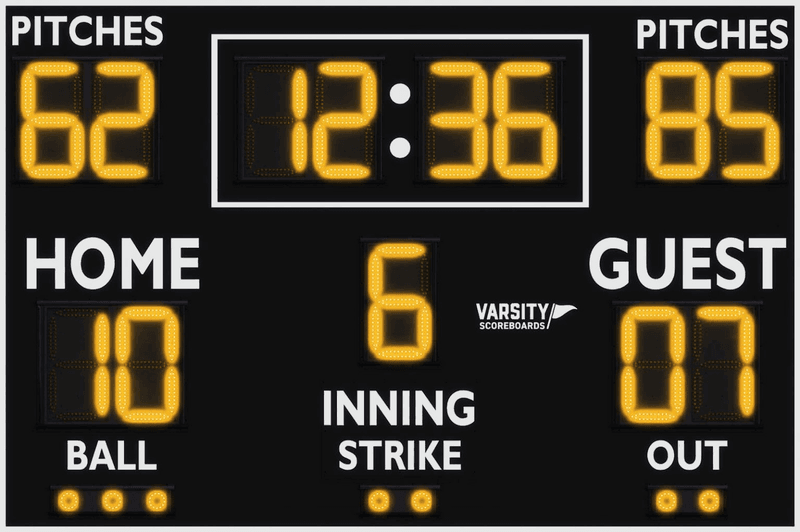
Score and game clock should always be the most prominent features. These are the first things people look for, and they need to be visible from any distance. Supporting details like period, fouls, or possession should be clearly visible but not competing for attention.
This hierarchy creates a natural viewing flow. Instead of scanning the entire board, viewers instinctively know where to look.
Designing for Distance, Angles, and Environment
A strong scoreboard layout accounts for real viewing conditions. People are not all seated in ideal positions. Some are watching from extreme angles, while others are far from the display.
Spacing between elements is one of the most important factors here. Proper spacing prevents information from blending together at a distance. Larger digits and high-contrast visuals also improve readability.
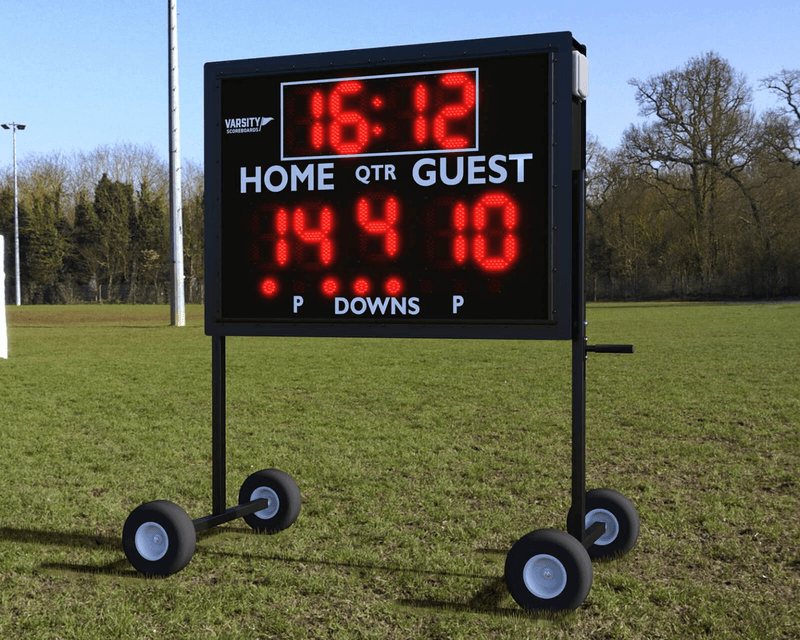
In outdoor settings, visibility becomes even more complex. Sunlight, weather conditions, and wide viewing angles all affect how information is perceived. With outdoor video displays, a thoughtful scoreboard layout ensures that critical details remain clear regardless of environmental challenges.
Indoor environments bring their own considerations. Even with controlled lighting, fast-paced games demand instant readability. A well-structured scoreboard layout paired with indoor video displays helps maintain clarity without overwhelming the viewer.
Supporting Faster Player Decisions
Players rely on the scoreboard just as much as spectators. A clear scoreboard layout allows them to check time, score, and game conditions in a split second. During critical moments, there is no time to search for information. A clean layout reduces hesitation and supports faster, more confident decisions.
This becomes especially valuable in close games, where awareness of time and score can influence every play. When the scoreboard layout is intuitive, players can stay focused on performance instead of processing the display.
Keeping the Game Flow Consistent
Game flow depends on clear, shared information. Officials, players, and spectators all rely on the scoreboard to stay aligned. A strong scoreboard layout helps maintain that alignment throughout the game.
When information is easy to read, transitions between plays feel seamless. There is less confusion, fewer interruptions, and a more consistent pace overall. Even small improvements in layout can make a noticeable difference over the course of a full season.
Creating Space for Sponsorship Opportunities
A well-designed scoreboard layout also supports long-term funding opportunities. Sponsor placements should feel intentional and integrated, not forced into available space.
Clear separation between game data and sponsor content ensures that readability is not compromised. At the same time, it allows organizations to generate value through partnerships.
Facilities exploring funding options often benefit from learning how to secure sponsors for a new scoreboard, especially when the layout is designed to accommodate those relationships from the start.
Balancing Simplicity with Functionality
There is always a temptation to include as much information as possible. However, an overloaded scoreboard layout can reduce overall effectiveness.
Simplicity improves usability. By focusing on essential information and presenting it clearly, the scoreboard becomes easier to read and more effective during gameplay. That does not mean sacrificing functionality. It means being intentional about what is included and how it is displayed.
Planning a Scoreboard Layout That Lasts
A scoreboard is a long-term investment, and the scoreboard layout should be designed with longevity in mind. What works today should continue to perform well in future seasons.
Flexible layouts that can adapt to different sports or evolving needs provide added value. As programs grow, the scoreboard should remain relevant without requiring major redesigns. This approach ensures that the system continues to deliver strong performance year after year.
Scoreboard Layout Shapes the Entire Experience
The effectiveness of a scoreboard depends heavily on how information is organized. A well-planned scoreboard layout improves visibility, supports faster decisions, and keeps the game running smoothly from start to finish. From optimizing readability in challenging environments to creating opportunities for sponsorship and engagement, layout influences every aspect of performance.
At Varsity Scoreboards, we help design and deliver systems that prioritize clarity, usability, and long-term value. Whether you are upgrading an existing setup or planning a new installation, our team can help you create a solution that works for your facility.