Every competitive sport runs on time. From the opening whistle to the final buzzer, the clock shapes every decision made on the field or court. Accurate game clocks are not a luxury; they are a fundamental part of fair, well-managed competition. When they work the way they should, nobody notices. When they do not, everyone does.
What Happens When Game Clocks Fail
A malfunctioning clock does not just cause inconvenience. It creates confusion, delays, and in some cases, disputes that affect the outcome of a game. Coaches lose trust in the display. Officials have to intervene manually. Players lose their rhythm trying to figure out how much time is actually left.
These situations are avoidable with the right equipment. Facilities that invest in dependable timing systems protect the integrity of every game they host.
Game Clocks Set the Pace of Competition
Timing is woven into the structure of nearly every sport. Basketball has shot clocks and quarter countdowns. Football has play clocks and halftime timers. Soccer tracks match time and stoppage. Wrestling, hockey, and lacrosse each have their own timing formats that officials and coaches rely on throughout the game.
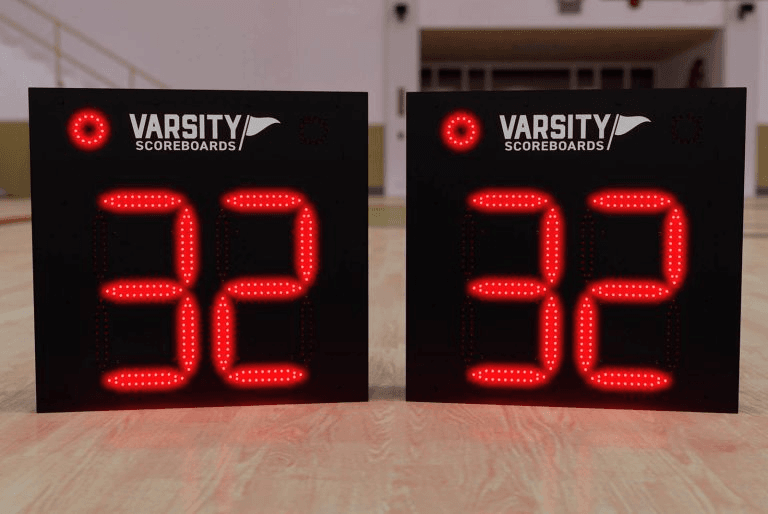
When the clock runs accurately, the pace of competition stays consistent. Players know how to manage their energy and strategy. Coaches make substitutions and timeout calls based on what the clock shows. A reliable display keeps everyone aligned and working from the same information.
Accuracy Builds Trust With Officials and Coaches
Referees and officials depend on visible, accurate timing to make real-time calls. A clock that jumps, freezes, or displays incorrect time forces officials to rely on manual backups, which slows the game and introduces room for error.
Coaches are equally affected. A timeout call made on faulty clock information can cost a team dearly in a close game. The trust that coaches place in a timing system is earned through consistent, accurate performance over time. Scoreboards and game clocks can also improve game accuracy, building trust that is reinforced every single game.
Visibility Is Just as Important as Accuracy
A clock can be perfectly accurate and still fail its purpose if players and coaches cannot read it clearly. Digit size, display brightness, and mounting position all affect how well a clock serves the people who depend on it.
For outdoor venues, brightness levels need to compete with sunlight. For indoor gyms, the display must be readable from every section of seating without causing glare. Getting the visibility right is just as critical as the timing hardware itself, and both deserve attention when evaluating a new system.
Game Clocks in High-Pressure Situations
The final two minutes of a close game are when clock reliability matters most. Every tenth of a second can be contested. Every stoppage needs to be reflected instantly and accurately on the display.
Facilities that host playoff games, championship events, or tournaments face an even higher standard. Visiting teams and neutral officials arrive with expectations about the quality of your venue. A timing system that performs flawlessly in those high-stakes moments reflects positively on your program and your facility.
Routine maintenance and periodic equipment checks go a long way toward ensuring your system is ready when the pressure is highest.
How Timing Systems Connect to the Broader Scoreboard Setup
Game clocks rarely function in isolation. They are typically integrated into a broader scoreboard system that also tracks score, period, fouls, and other game data. When all of these components work together seamlessly, the operator's job becomes easier, and the display becomes more useful for everyone watching.

A fragmented setup, where the clock and scoreboard operate independently, creates more opportunities for error and more complexity for the operator. Integrated systems reduce that friction and deliver a more professional game-day experience across the board.
Planning a Timing System Upgrade
If your current timing setup is showing its age, planning an upgrade takes some thought. Start by identifying what is actually falling short. Is it accuracy, visibility, integration with other systems, or all of the above?
From there, consider your sport-specific needs and the events your facility typically hosts. A recreational park running youth leagues has different timing requirements than a high school hosting varsity championships. Matching the system to your actual use case ensures you are investing in the right solution.
Budget and timeline are also part of the equation. Knowing what you need and when you need it installed helps you move through the selection process with confidence.
Set Your Facility Up With Game Clocks That Perform
Reliable timing is one of the most important investments a sports facility can make. It protects game integrity, supports coaches and officials, and ensures every athlete competes under fair conditions.
At Varsity Scoreboards, we offer purpose-built solutions for every timing need, including delay-of-game clocks designed to keep football games moving efficiently. Our full lineup of scoreboards integrates timing and scoring into one cohesive system built for real competitive environments.
And if budget is a concern, we can help you secure sponsorship for a new scoreboard or video display so your facility gets the upgrade it needs without straining your budget. Contact us today to get a free quotation.